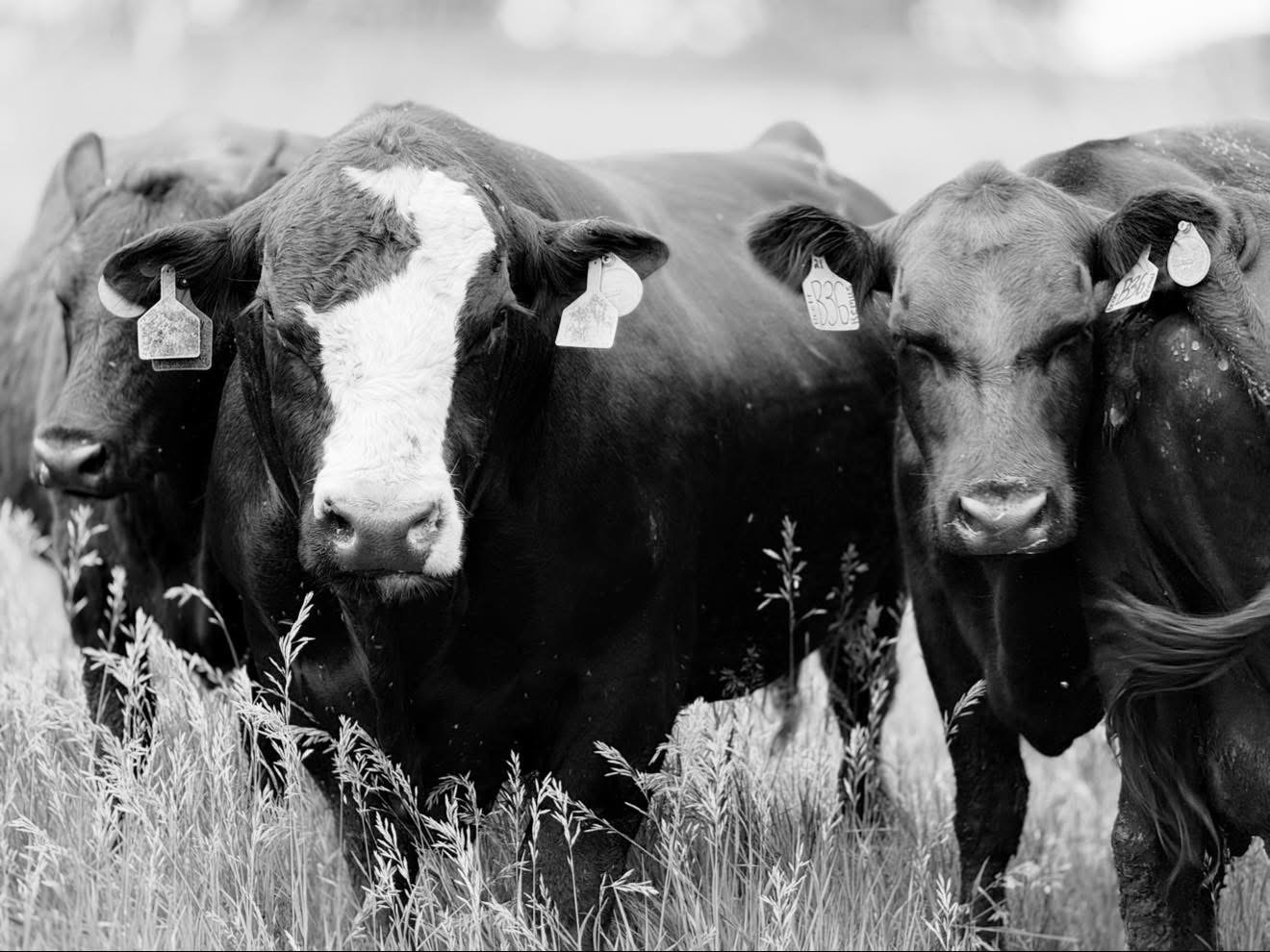
Beef is Kansas’s single largest agricultural sector, generating more than $13 billion in output and supporting over 45,000 jobs statewide. So when national policy shifts touch the cattle market, our farmer’s feel it, but also at the grocery store, the equipment dealership, and the local bank.
That’s exactly what’s happening right now, and it’s worth a closer look at what’s going on and what it could mean for local producers and businesses.
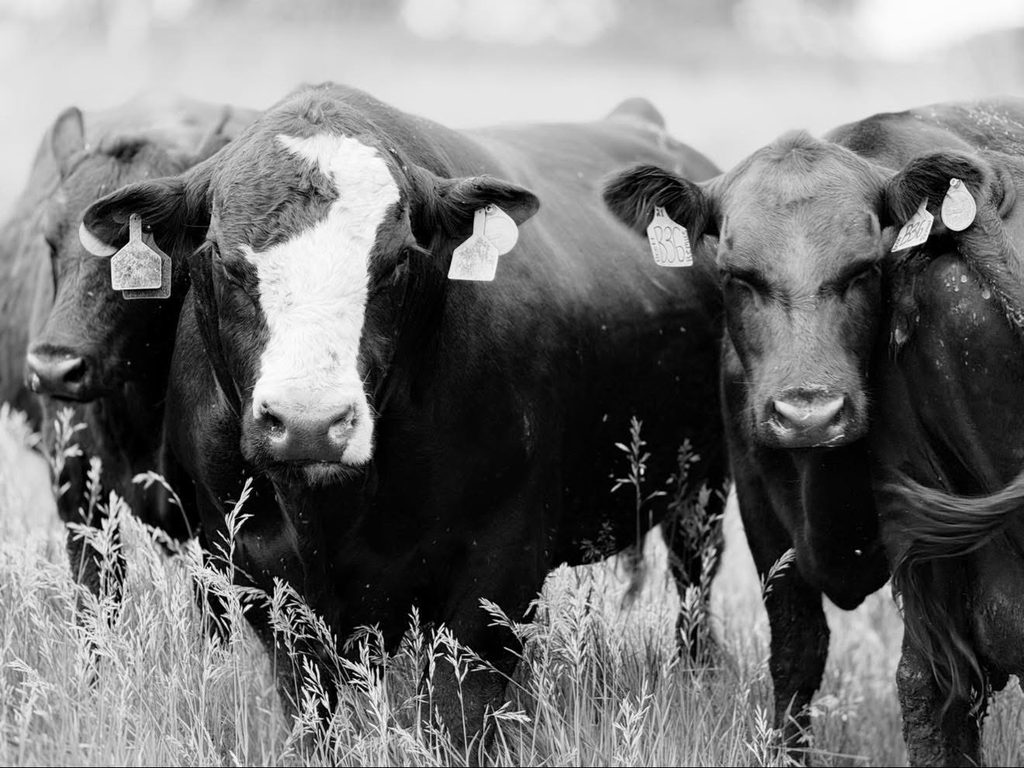
In late August 2026, the federal government announced a 90-day pause on tariffs for imported beef. The move waives “out-of-quota” tariffs on roughly 300,000 metric tons of foreign beef, allowing it to be sold at a steep discount: about 25% below market price. The stated goal is to ease record-high grocery prices ahead of the November midterms.
Local ag lenders are already seeing the effects. Greg Thiessen, Bank of Tescott Vice President of Ag and Commercial Lending put it, the market saw a noticeable drop right around the time of the announcement.
What stands out about this issue is how broad the opposition has been. Farm advocacy leadership has argued the move works against both consumers and ranchers, and against the country’s broader interests. Both parties of Kansas’s congressional delegation has raised similar concerns, pointing to just how much the state’s economy depends on a healthy cattle industry.
There’s also a practical argument against the policy: several agricultural economists estimate the imported beef volume represents only about 2.5% of total U.S. beef consumption. This isn’t enough to meaningfully move prices at checkout, but plenty to unsettle a market that producers depend on for stability.
Underneath the tariff debate is a bigger, longer-running story: the U.S. cattle herd has shrunk to its smallest size since the early 1950s. Years of drought, rising input costs, screwworm outbreaks, and pressure on available land have all squeezed the herd down.
That scarcity is actually why cattle producers have finally seen real profitability after two difficult decades. A sudden surge of cheap imported beef risks undercutting that hard-won recovery right as it’s gaining traction.
Much of this plays out well above the individual producer level, but there are still practical steps ranchers and rural communities can take:
Cattle sit at the center of a wide economic web in our region, and what happens in that market rarely stays contained to it:
This isn’t really a story about a 90-day tariff pause. It’s a story about drought, herd size, land and water management, and federal policy all colliding at the same time. The politics will keep shifting, but the fundamentals of rebuilding the herd, managing resources wisely, and weathering volatility will determine what comes next for cattle country, and for the rural communities built around it.
October 13, 2026
Whether you’ve lived here your whole life or you’re planning your first visit, there’s always something new to discover in Mitchell County. Thanks to a new partnership with Driftscape, finding […]
Learn MoreOctober 7, 2026
“But don’t we already have one of those?” When a new business opens in a small community, the same questions tend to follow. Don’t we already have one of those? […]
Learn MoreSeptember 22, 2026
Beloit may not be a place most people across the country have heard of, but every year, visitors from all over the country find their way here. Families have traveled […]
Learn More